
For anyone who doesn't want a surprise bill in the middle of the month, a prepaid internet package isn't just a payment model; it means direct control. This model offers a more flexible option, especially for people who use home internet seasonally, need it for a short time, or want a connection without the pressure of a contract. But not every prepaid solution delivers the same benefits. To choose the right package, you need to consider your usage habits, the infrastructure and the total cost together.
Who is a prepaid internet package right for?
This model works best for users whose internet use doesn't follow a fixed pattern. For example, families who spend a few months at a summer house, students living at a temporary address, businesses opening a short-term office, or users who need an extra internet line will find that a prepaid approach makes budget control easier. Being able to choose when the service is active matters because it avoids unnecessary costs for months you don't use it.
Another group is users who don't want a contract. Not everyone wants to commit to a long-term subscription. Sometimes you need to try out the infrastructure in an area you've just moved to, and sometimes your needs may change completely in a few months. In these cases, a prepaid structure gives you more room to decide. You try the service, keep it if you're happy, and stop it when you no longer need it.
The same goes for small businesses. For offices that need a backup connection, seasonal businesses or short-term field operations, a pre-planned internet expense can be easier to manage than a fixed monthly bill. The key point here is not that the package looks cheap, but that it genuinely fits the usage scenario.
What to look at first when choosing a prepaid internet package
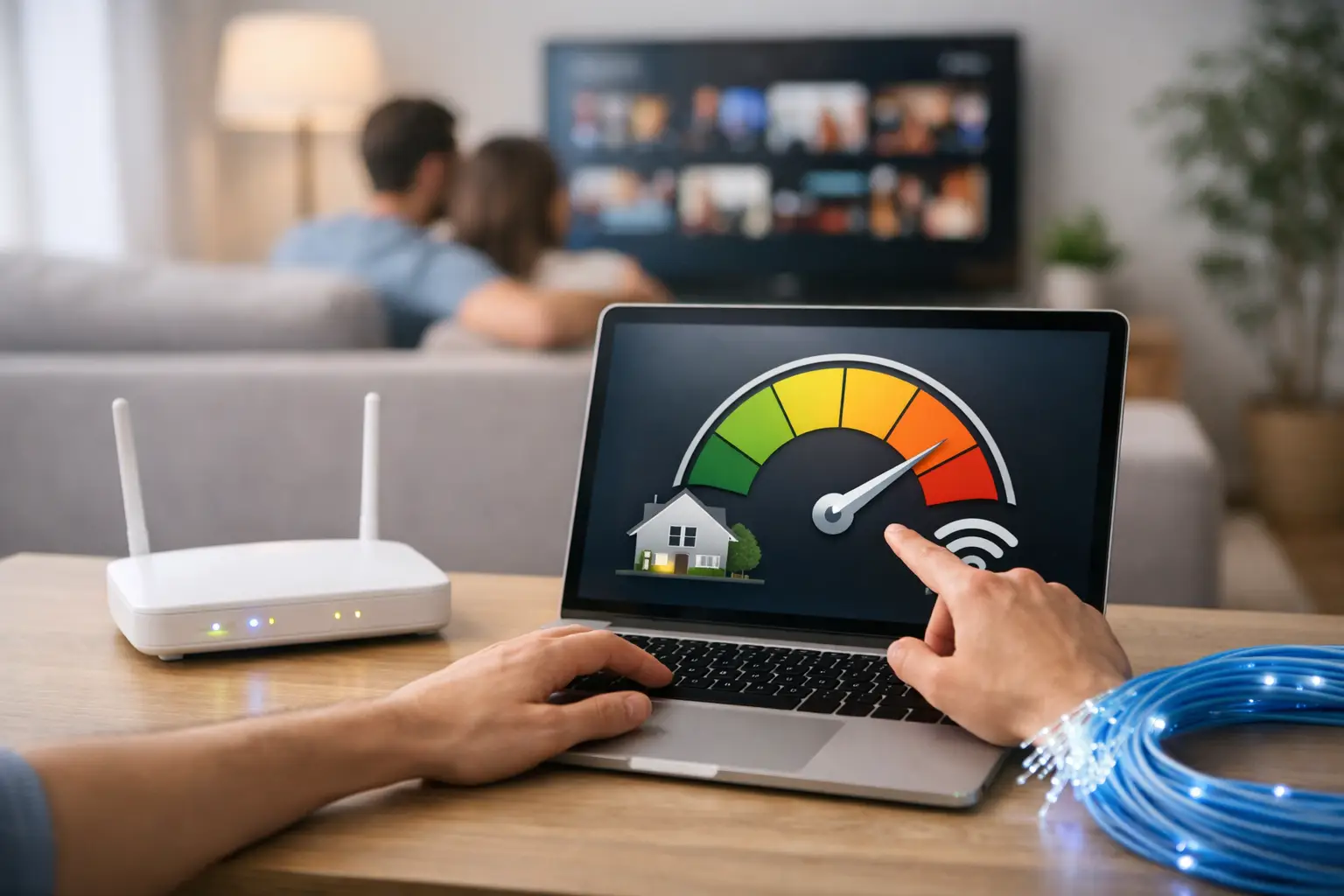
The first decision point is speed. Many users put price first, but what really shapes the experience is usually speed and how consistent it is. If the household only uses the internet for messaging, email and basic browsing, more balanced packages may be enough. If several people in the same home are watching videos, attending online classes or working remotely, higher speeds become necessary.
The second consideration is the data allowance or usage limit. Not every prepaid model has to be unlimited. Some packages may have a set usage limit, a set number of days, or conditions that vary by type of use. That's why you need to read the details, not just the package name. Otherwise, a package that looks like a good deal at the start of the month can turn into extra costs halfway through.
The third consideration is the validity period. Is the package for 30 days, a week, or limited to a specific period? What matters to the user is how long the internet will stay on. A very heavy but short-term need and a lighter but longer-term need may not be met by the same package. Making this distinction from the start speeds up the selection process.
Why is infrastructure availability decisive?
When evaluating an internet package, most people focus on promotions and price. Yet the infrastructure is what underpins the experience. The performance you get where fiber is available may not be the same as in a location where only other access options exist. So one of the first questions to ask when looking for a prepaid internet package should be: Which infrastructure is supported at my address?
This question isn't only about speed. Installation time, connection stability and the reliability of the service are also directly tied to infrastructure. Especially for people working from home and businesses with low tolerance for outages, the connection's real-world consistency matters more than its theoretical speed. In short, the right package must fit not only your budget but also the technical reality at your address.
This is where simple, digital application processes offer a real advantage. Easy address checks, viewing available packages, applying and activation save users from wasting time. Service providers like Tepenet, which offer both infrastructure options and a digital application experience, can shorten the decision process.
A common mistake when comparing prices
The most common mistake with the prepaid model is looking only at the upfront payment. The real cost becomes clear when you consider how many days the package lasts, what speed it delivers, whether it requires extra installation and, if so, what the renewal terms are. A low starting price may be tempting, but if the usage period is short or performance is inadequate, overall satisfaction drops.
A healthier way to look at choosing a package is this: For what I pay, how much time, what level of performance and how much control do I get? This question makes the comparison more realistic, because with internet service, the cheapest option isn't always the most economical one.
Also, home users and businesses don't perceive price in the same way. At home, cost sensitivity comes first, while for small businesses the risk of an outage often causes a bigger loss than the price difference. That's why the value created by the usage should also be factored into the choice of package.
Which approach suits which usage scenario?
For someone who lives alone and mostly uses the internet alongside their phone, basic, short-term, budget-controlled packages may be enough. For this type of user, the important thing is not paying for capacity they don't need. In contrast, larger families need higher speeds and a more stable setup, as the number of devices connecting at the same time increases.
For remote workers, the picture is a little clearer. If there are video meetings, file uploads and a need to stay connected all day, continuity should be considered as much as price when choosing a package. Here, a solution with stable connection quality is a better choice than the cheapest one.
For small businesses, a prepaid internet package usually stands out for additional needs rather than as the main connection. Pop-up stores, temporary offices, event venues and seasonal operations are examples. In such scenarios, quick installation, easy activation and access to a support line when needed become critical.
Why does convenience matter during the application process?
In internet service, the user experience doesn't begin only once the connection is live. The application stage is also an important part of the decision. Long forms, unclear approval processes or a lack of clear support channels reduce the appeal of an otherwise attractive package.
That's why users who choose the prepaid model generally expect: a fast application, clear pricing, easy activation and support that's reachable when needed. Service setups that offer online application, online service channels and mobile app management make life much easier for users. The easier it is to check remaining usage time, add a new package or create a support request, the more controllable the service becomes.
Here, you should evaluate operational convenience as well as the speed a brand promises. After all, buying internet service isn't a one-time transaction; it's an ongoing experience.
5 clear questions to ask before deciding
The best way to cut through confusing details when choosing a package is to look for clear answers to a few basic questions. How many people will use the internet? Will usage be mostly video and meetings? What infrastructure is available at the address? How long will the service be needed? And which channels can you turn to for help when you need support? If the answers to these questions are unclear, the choice usually misses the mark too.
Another important question is this: Is the package meant for a temporary need, or as a trial before switching to regular use? A user looking for a short-term solution and one planning to move to a permanent subscription later don't use the same criteria. The first looks for flexibility; the second looks for lasting satisfaction.
The strengths and limits of the prepaid model
The biggest strength of this model is the control it provides. Users can more easily plan when they'll receive service, how long they'll use it and how they'll manage their budget. The low contract pressure is also an advantage, especially when needs vary.
However, it can't be said to be the best solution in every case. For users with very heavy, uninterrupted internet needs, those planning long-term use, or those who constantly demand top performance, a traditional monthly subscription can sometimes be more efficient. In other words, the right choice depends more on how you use the internet than on the type of package.
Making a good decision about internet service often isn't about seeing more options, but about clearly defining your own needs. If you're considering a prepaid internet package, start with your usage habits, not the promotions. That's where the right package reveals itself.